GLOBAL BRAIN INSTITUTE
IQ research . Assessment
The origins of IQ testing date back to the early 20th century. French psychologist Alfred Binet developed the first practical intelligence test to help identify children who needed additional educational support. His work emphasized that intelligence could be developed and was not a permanent, innate label.
In the United States, Henry Herbert Goddard translated Binet’s test into English, helping introduce intelligence testing into schools and clinical settings. While influential, Goddard’s work is also controversial due to his association with early eugenic ideas views that modern psychology has firmly rejected.
Over time, IQ testing evolved significantly. Today’s assessments are empirically validated, ethically regulated, and designed to support diagnosis and intervention rather than social classification.
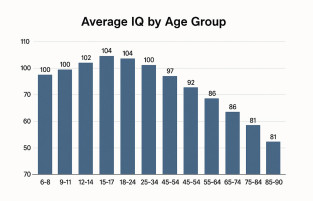
Intelligence presents differently across the lifespan, so tests are tailored by age group.
(i) Infant and Toddler Assessments
These evaluations focus on early developmental milestones such as motor coordination, problem-solving through play, and sensory responses. They rely minimally on language and are often used for early developmental screening.
(ii) Childhood IQ Tests
Designed for school-aged children, these tests assess reasoning, memory, language, and processing skills in developmentally appropriate formats.
The Wechsler Intelligence Scale for Children (WISC) is the most widely used test in this category.
(iii) Adolescent IQ Tests
For teenagers, assessments often combine advanced sections of child tests or simplified versions of adult tests. This age group may also be eligible for supervised virtual IQ testing.
(iv) Adult IQ Tests
Adult assessments typically begin at age 16.
The Wechsler Adult Intelligence Scale (WAIS) is the most commonly used adult IQ test in clinical and research settings.
General Intelligence Tests
These provide a Full-Scale IQ (FSIQ) score representing overall cognitive functioning across multiple domains.
Specific Ability Assessments
Some tests focus on individual components of intelligence, such as:
These are often used alongside general IQ tests for detailed diagnostic purposes.
Verbal IQ Tests
Verbal assessments measure language-based abilities, including vocabulary, verbal reasoning, comprehension, and general knowledge.
Common verbal IQ tests include:
These tests are especially informative for evaluating academic skills and language-based reasoning.
Nonverbal IQ Tests
Nonverbal tests assess cognitive abilities without relying on language, making them ideal for individuals with language barriers, hearing impairments, or diverse cultural backgrounds.
Common nonverbal IQ tests include:
They focus on pattern recognition, spatial reasoning, and abstract problem-solving.
Some intelligence tests are specifically designed to minimize cultural and socioeconomic bias.
Examples include:
While no test is completely culture-free, these assessments reduce reliance on language, formal education, and culturally specific knowledge.
Group-administered IQ tests are used in educational, military, and organizational settings. They allow for efficient assessment of multiple individuals but offer less diagnostic detail than individually administered tests. Results are typically used for screening rather than clinical diagnosis.
Raven’s Intelligence Advanced Test (RIAT)
Reynolds Adaptable Intelligence Scale (RAIS)
Virtual IQ tests are growing in acceptance, but self-administered online tests are not scientifically valid substitutes for professional assessments.
IQ tests are applied across multiple domains:
Despite their value, IQ tests have important limitations:
What are the main types of IQ tests?
The most prevalent types of IQ tests are the WAIS (adults), WISC (children), Stanford-Binet, Raven Progressive Matrices and culture-fair or nonverbal tests which are supposed to minimize the language bias.
Are nonverbal IQ tests more accurate?
Nonverbal IQ tests do not need to be more accurate, however, they are more suitable to people who have language barriers, hearing impairments, or cultural diversities. They are pattern-oriented and abstract reasoned and not language-oriented.
What does an IQ test actually measure?
The cognitive abilities tested in IQ tests include reasoning, solving problems, memory, speed of processing information, and understanding. They do not test creativity, emotional intelligence and practical life skills.
Can IQ scores change over time?
Yes. It is possible that IQ scores can vary, particularly in childhood as a result of education, environment, health, as well as cognitive development. The scores can also be different among adults in view of the conditions of testing and life experience.
What is considered an average IQ score?
IQ score 100 is considered as an average. The normal range of intelligence is between 85 and 115 and that is the range of scores of the majority of people.
Are online IQ tests reliable?
The majority of free online IQ tests cannot be scientifically checked. Good IQ tests are to be administered by a qualified professional or under his or her supervision based on standardized tests like WAIS, WISC or Raven matrices.
When properly used, IQ tests are potent. Contemporary intelligence assessments acknowledge the concept that cognition is multi-dimensional, dynamic and is an interaction of a biological and environmental influence. The selection of the appropriate kind of IQ test is determined according to the age, purpose, cultural background and the abilities under evaluation.